ACTOR · PLAYWRIGHT · ARTISTIC DIRECTOR · CULTURAL DIPLOMAT
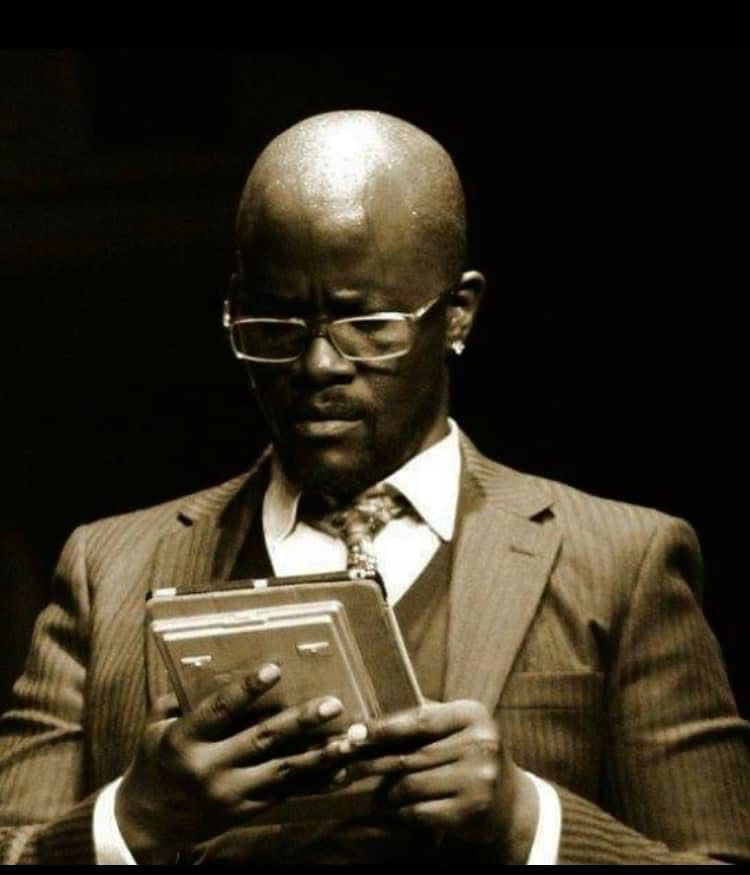
Michael Omoke is an actor, playwright, artistic director, and cultural diplomat. His work moves between theatre, literature, spatial scenography, and international cultural exchange.
New Nordic Voices is the public company. This site carries the authorial mind behind it: the writings, methods, consular work, plays, spatial thinking, and the wider creative architecture beyond the institution.
COPENHAGENZANZIBARAUTHORIAL MAPTHEATRE / LITERATURE / SPACEPUBLIC BODYNEW NORDIC VOICESREGISTERSOVEREIGN
NEW YORKONTARIO
ActorAuthorial workScenographer
Authorial Fields
PlaywrightArtistic DirectorCultural DiplomatTheatreLiteratureSpatial ScenographyInternational Cultural ExchangePlaywrightArtistic DirectorCultural DiplomatTheatreLiteratureSpatial ScenographyInternational Cultural Exchange
Authorial Fields
▥
Public cultural role
Public cultural role without bureaucratic flattening: theatre, institutions, embassies, and cultural diplomacy held inside an authorial practice.
✒
Texts & authorship
Writings, essays, and reflections on cultural exchange, artistic method, institutions, and the politics of representation.
✧
Spatial scenography
Scenographic thinking as a language of space, light, material, and ritual — building experiences that carry meaning across cultures.
◆
Digital Portraiture
A sovereign digital portrait: not a CV, but a staged public architecture of work, collaborations, and presence across continents.
Nordic Canon Constellation
Five Nordic authors. Five artistic instruments.
A visible system for Michael Omoke’s method: classics moved through language, geography, power, and cultural memory. Each author is not only listed; each is held in a different state of transformation.
One method, five conditions: produced evidence, funded sensory architecture, work-in-progress dossier, live Nordic laboratory, and cold language crossing.Read the architecture of the work
The room for velocity
The Workroom
The homepage is the sovereign entry hall. The Workroom is the studio chamber: dispatches, fragments, research trails, rehearsal notes, slower texts, and closed drawers.
I work across theatre, literature, cultural diplomacy, and spatial imagination.
I lead New Nordic Voices as Founder and Artistic Director, serve as Cultural Director for the Consulate of the United Republic of Tanzania in Denmark, and maintain an independent artistic practice beyond both institutions.
My work builds productions, immersive environments, and cultural encounters that move between artists, institutions, countries, and publics.
What I Bring
I bring an unusual fluency between artistic imagination and institutional language.
My work moves between artists, diplomats, funders, communities, and public institutions — translating different ways of seeing the world into shared cultural form.
What I bring is not only production experience. It is the ability to turn cultural complexity into form, encounter, and public meaning.
Read more
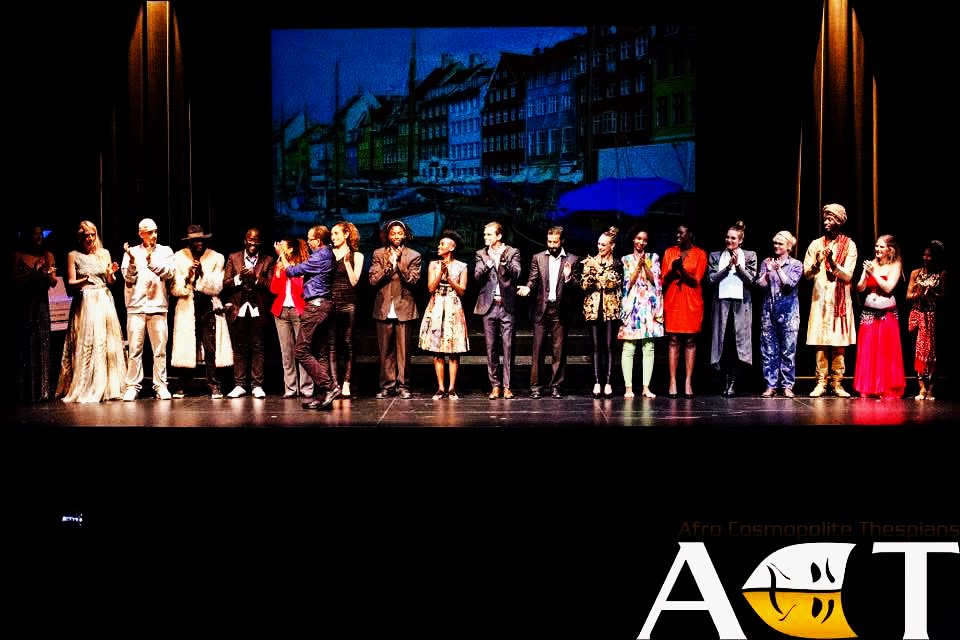
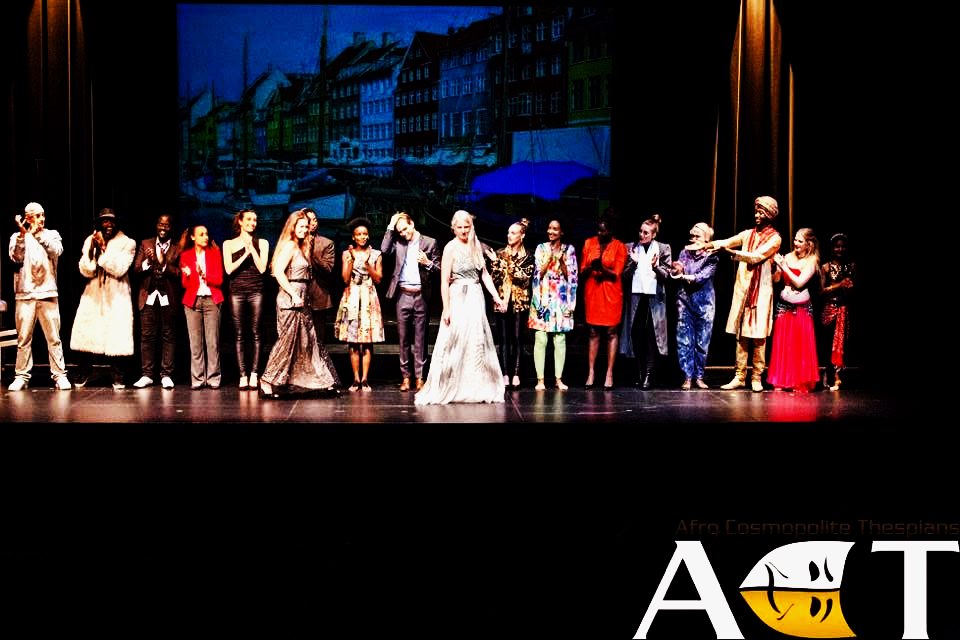
In 2016, I founded the theatre company ACT, now publicly styled as New Nordic Voices, where I serve as Artistic Director. The company debuted at Baltoppen LIVE with a Danish premiere of The Merchant of Venice by William Shakespeare — produced by me, with me in the lead role as Shylock.
In summer 2025, I invited Nobel laureate Abdulrazak Gurnah to a private literary salon in Copenhagen. He accepted, and the salon was later hosted by the Consulate. My appointment in 2026 to a consular cultural position gave institutional shape to a decade of cultural work across the Nordic countries.
Institutional Support & Cultural Partnerships
Ministries, state agencies, embassies, cultural funds, Nordic bodies, major foundations, and multilateral frameworks that have supported Michael Omoke’s concepts, ideas, and creative work — developed and realised through New Nordic Voices.
Tier 1
Principal Institutional Support
Ministries, state agencies, and multilateral frameworks — the heaviest public relationships.
European Union
Multilateral institution
Danida
Public development support
Danish Ministry of Foreign Affairs
Ministerial / diplomatic framework
Danish Ministry of Culture
Ministry support
Danish Agency for Culture and Palaces
Public cultural support
Tier 2
Nordic bodies & major foundations
Cultural funds, Nordic bodies, and major foundations that have supported development, mobility, and production.
Nordic Culture Fund
Nordic cultural funding
Nordic Council of Ministers
Nordic public framework
Nordic Culture Point
Nordic cultural support
Den A. P. Møllerske Støttefond
Major foundation support
Arts Council Norway
Public arts funding
Tuborgfondet
Foundation support
Tier 3
Diplomatic Network
Embassies, consular contexts, and diplomatic frameworks — staged as a constellation rather than as ministry-level anchors.
I serve on the boards of CKI — Center for Kunst og Interkultur and Crossing Borders Denmark. Through these roles, my work is connected to two Danish institutions: one concerned with art, culture, and participation; the other with dialogue, youth, and global citizenship.
Selected works & milestones
A distilled chronology: selected proofs, public milestones, and authorial turns.
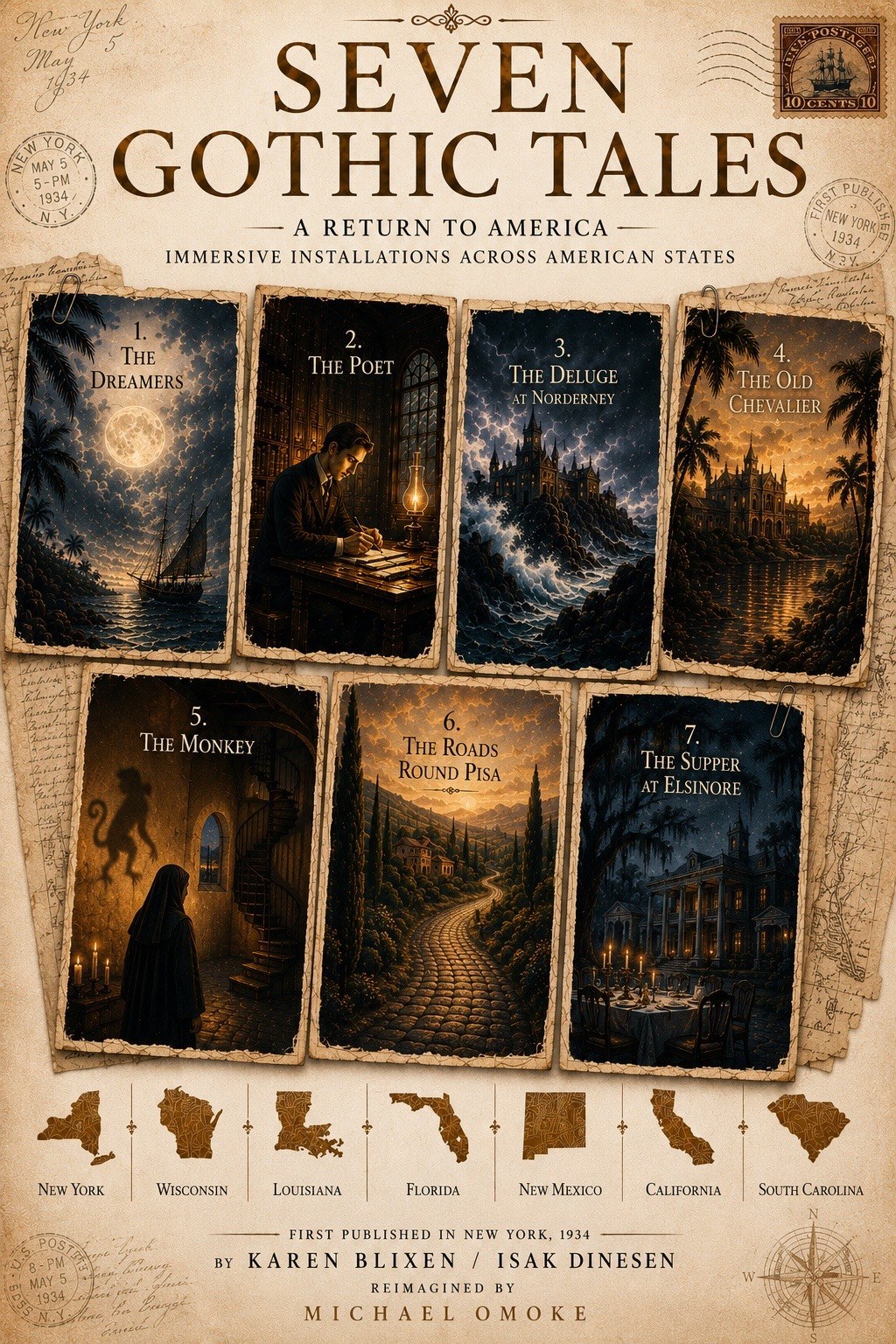
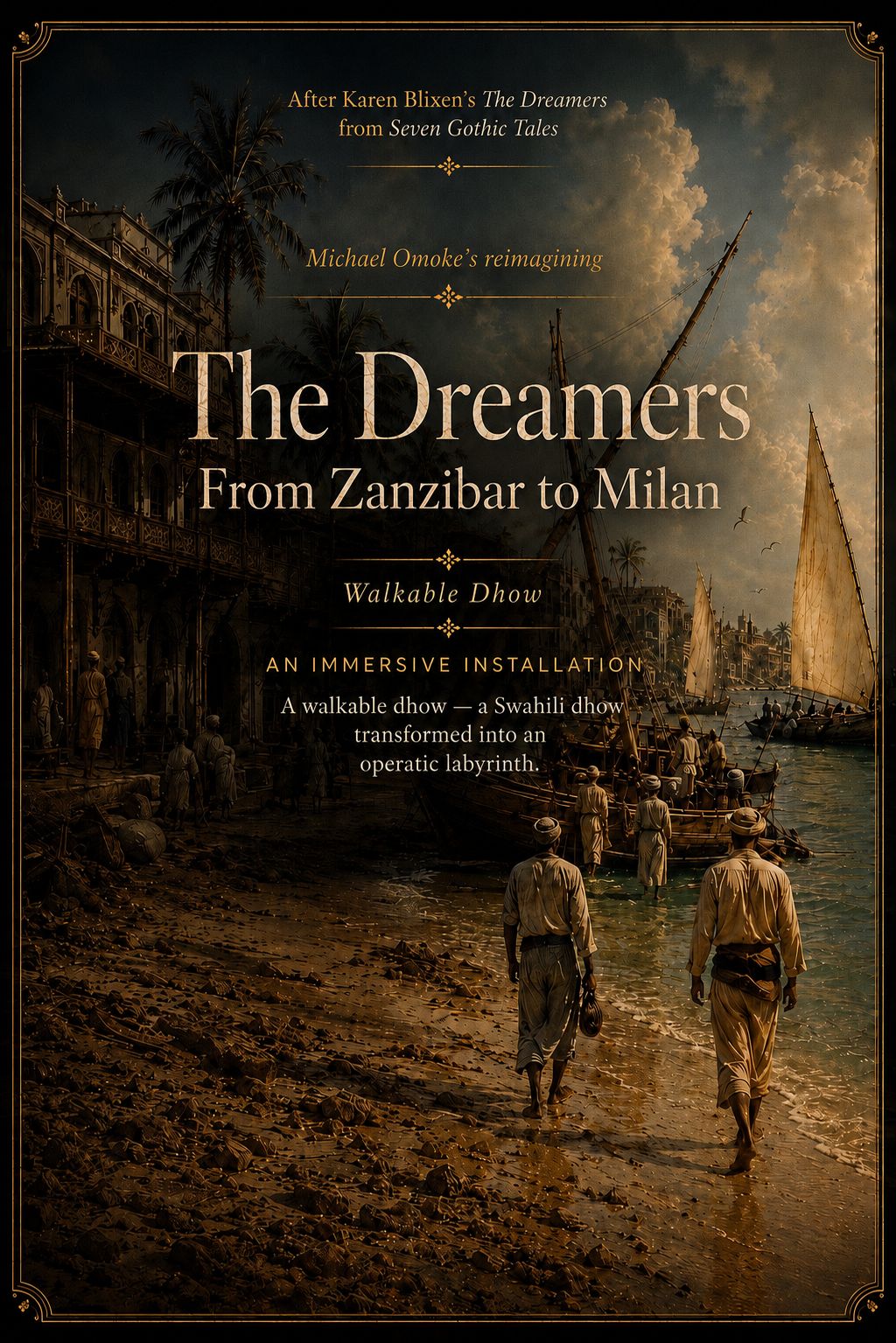
Flagship installation within Seven Gothic Tales — A Return to America. World premiere planned at Karen Blixen Museum in Denmark, before travelling toward New York and Nairobi.
2025–2030
Seven Gothic Tales — A Return to America
Initial major public support secured by Michael Omoke from the Danish Ministry of Foreign Affairs and the Danish Ministry of Culture for a multisensory reimagining of Karen Blixen’s 1934 American debut through immersive installations across seven U.S. states. Denmark is the point of departure. America is the return.
Current development: Minna Canth in Danish — Finnish classics staged in Danish and returned to Finland with surtitles.
2025
Seven Gothic Tales — Initial major public support secured by Michael Omoke from the Danish Ministry of Foreign Affairs and the Danish Ministry of Culture for a multisensory reimagining of Karen Blixen’s 1934 American debut through immersive installations across seven U.S. states. Denmark is the point of departure. America is the return.
Awarded major support by the Danish Ministry of Foreign Affairs and the Danish Ministry of Culture for a large-scale, multi-year reimagining of Karen Blixen’s Seven Gothic Tales, beginning in Denmark and extending through the American strand and further international chapters.
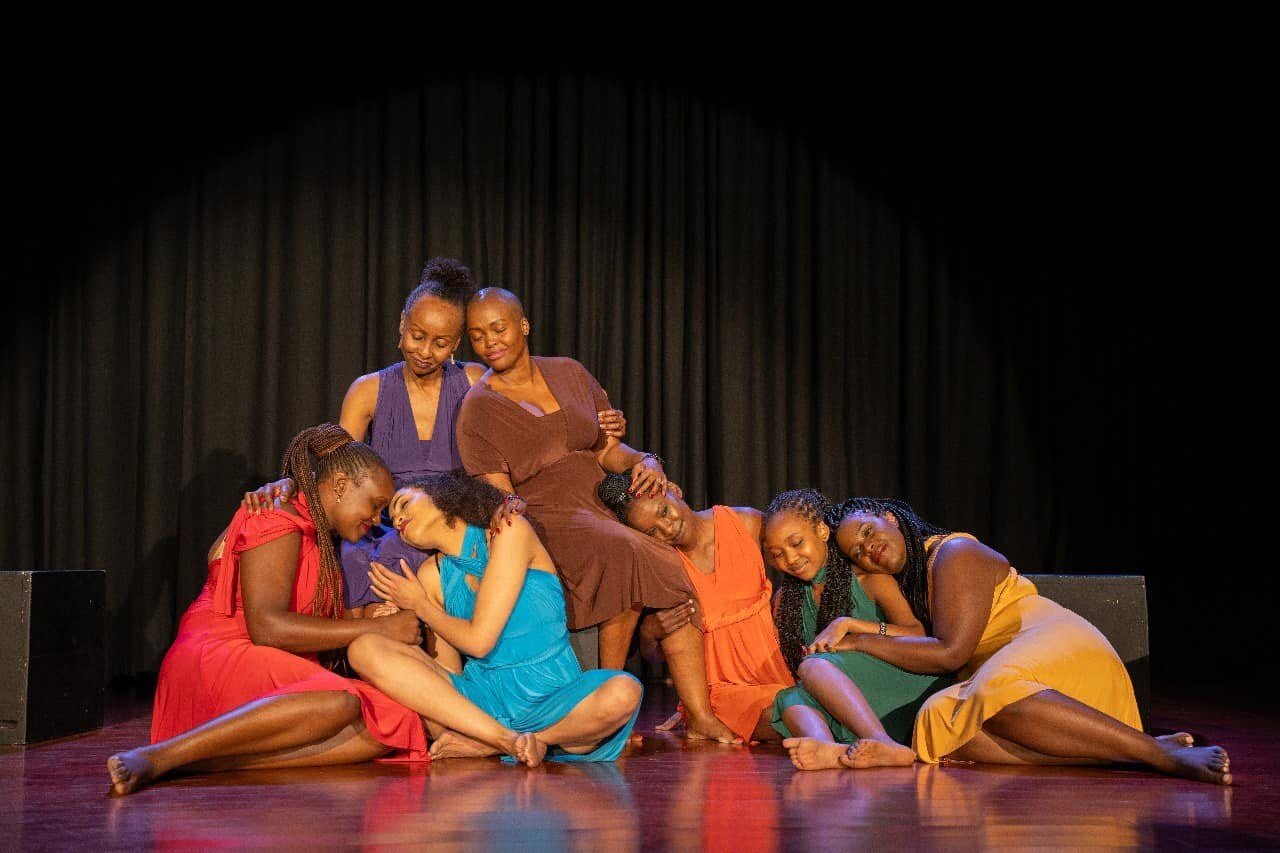
Developed in collaboration with the European Union, Danida, the Danish Agency for Culture and Palaces, and the Embassy of Denmark in Kenya. Staged For Colored Girls Who Have Considered Suicide / When the Rainbow Is Enuf by Ntozake Shange across Nairobi, Kisumu, and Mombasa alongside public dialogue and youth engagement. The platform employed 40 Kenyan artists, partnered with 4 NGOs, and helped ignite vital public conversation.
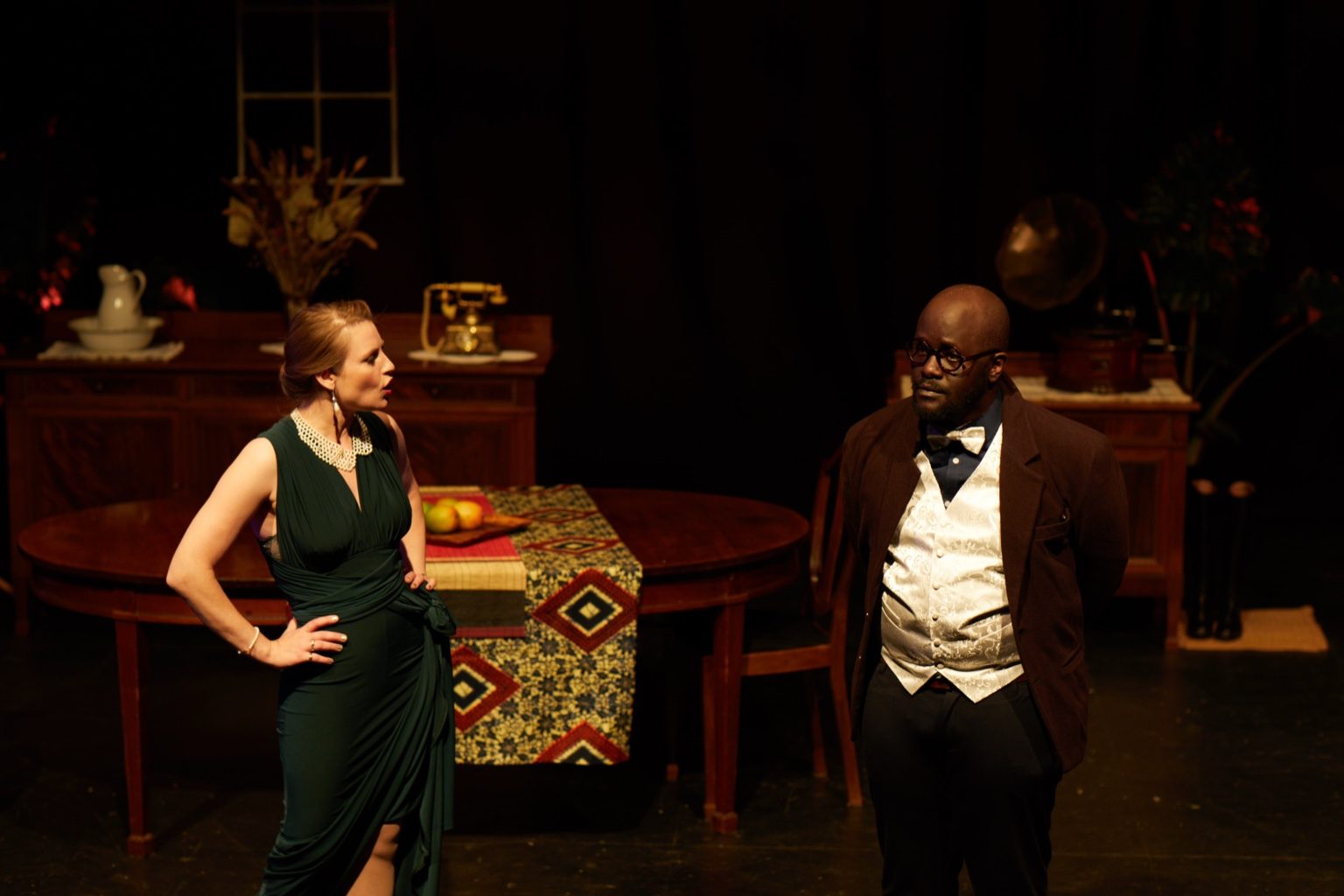
after August Strindberg’sMiss Julie(1888). Premiered at Folketeatret in Copenhagen, where Michael Omoke’s reimagining became a rare African-authored intervention on the historic stage, before travelling to the University of the Arts Helsinki (Uniarts Helsinki). Nordic Classics Reimagined.
By Ntozake Shange—first staged in the Nordic countries by New Nordic Voices; premiered in Helsinki on International Women’s Day, then travelled across Denmark and Stockholm before being re-invited to Nordic Culture Point in Helsinki.
Developed as the transnational platform connecting Denmark, Finland, and Sweden — spotlighting Nordic and global classics through ACT, Caisa, and Intercult.
2017
Share Experience Workshop + Conference
Malmö — co-produced collaboration across Sweden–Denmark–Norway.
By Henrik Ibsen (Arthur Miller version) — produced in Ballerup, in Nordic collaboration with Nordic Black Theatre (Oslo) and Södra Community (Malmö), alongside ACT’s Denmark-based ensemble. Nordic Classics Reimagined
By William Shakespeare — producer and lead actor (Shylock). ACT’s debut production at Baltoppen LIVE in Denmark, performed with a cast representing 11 nationalities.
View full timeline
Earlier milestones and formative years.
2016
Founded ACT in Denmark
Company leadership and artistic direction. Debut production: The Merchant of Venice by William Shakespeare — staged with a cast representing 11 nationalities. New Nordic Voices later developed as the transnational public platform.
The Merchant of Venice — William Shakespeare (c. 1596–1598) ACT debut production · Baltoppen LIVE (2016)
2002
Professional debut as an actor Servant of Two Masters (Carlo Goldoni) — Phoenix Players, Nairobi · Role: Silvio.
Goldoni (1707–1793): an 18th-century commedia dell’arte landmark. Servant of Two Masters (1746).
Formative years under the mentorship of James Falkland
My professional debut came in Nairobi with Phoenix Players, where I played Silvio in Servant of Two Masters. It was an early entrance into repertory discipline, precision, and stage seriousness.
Between 2001 and 2003, my theatre education was profoundly shaped by James Falkland, founder of Phoenix Players in Nairobi. Under his leadership, the company became a place of rare discipline, rigor, and consistency — an apprenticeship in theatre at its most practical and exacting.
Continue reading
Phoenix Players built an extraordinary theatrical engine: between 1983 and 2007, the company staged 394 productions — effectively a new play every three weeks, alongside an annual musical — inside an intimate thrust stage with an audience capacity of just 120. To be formed within that rhythm was nothing less than a serious theatrical apprenticeship.
I still recall, with deep fondness, that during the five-week run, Falkland paid for my taxi rides between Limuru and Hillcrest for the first two weeks, and between Limuru and the theatre for the following two weeks after each performance, making sure I got home safely. In those days, taxi travel was a real luxury, and the distance was no small hurdle.
I did whatever my hands could find in the company — acting, stage managing, collecting sets and costumes. Those early beginnings became my true autodidact training: practical, demanding, and formative.
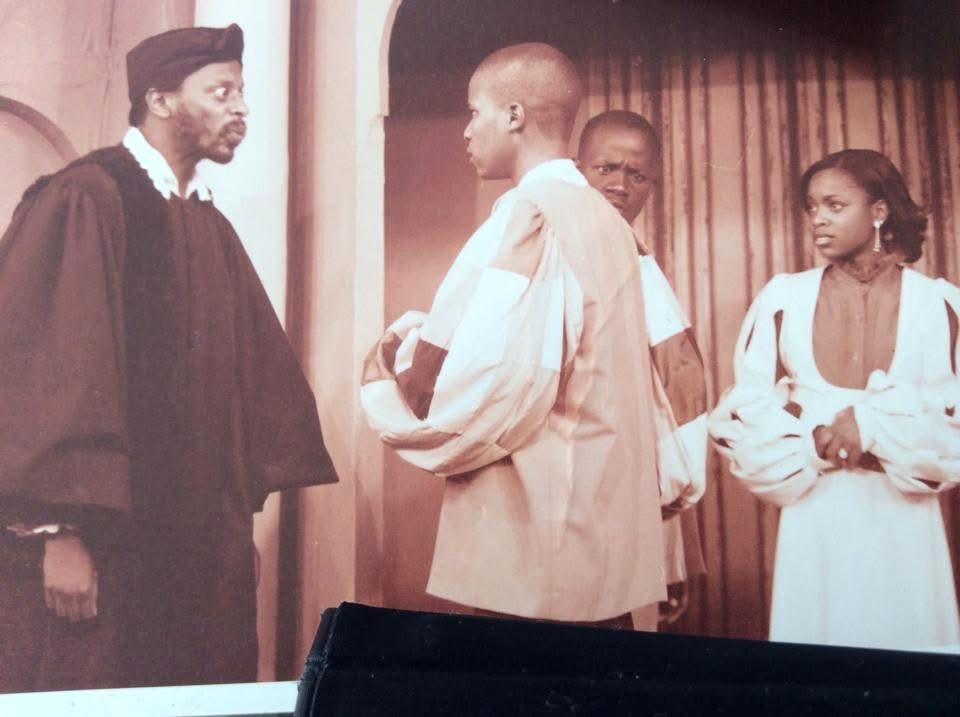
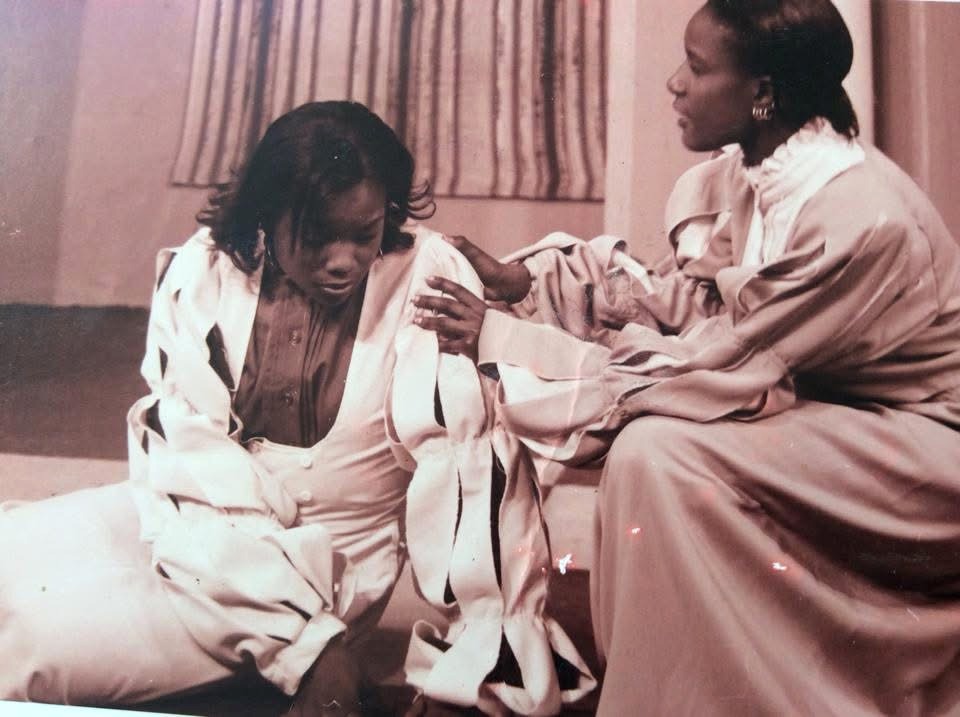
Servant of Two Masters — archival production still, Nairobi (2002).Servant of Two Masters — archival production still, Nairobi (2002).
2001
First play written, directed & performed Sitting On Me — premiere at Nairobi Baptist Church, Nairobi (Kenya). (Later: 2002 — Kenya National Theatre, Nairobi — Mavuno Festival.)
2001–2016
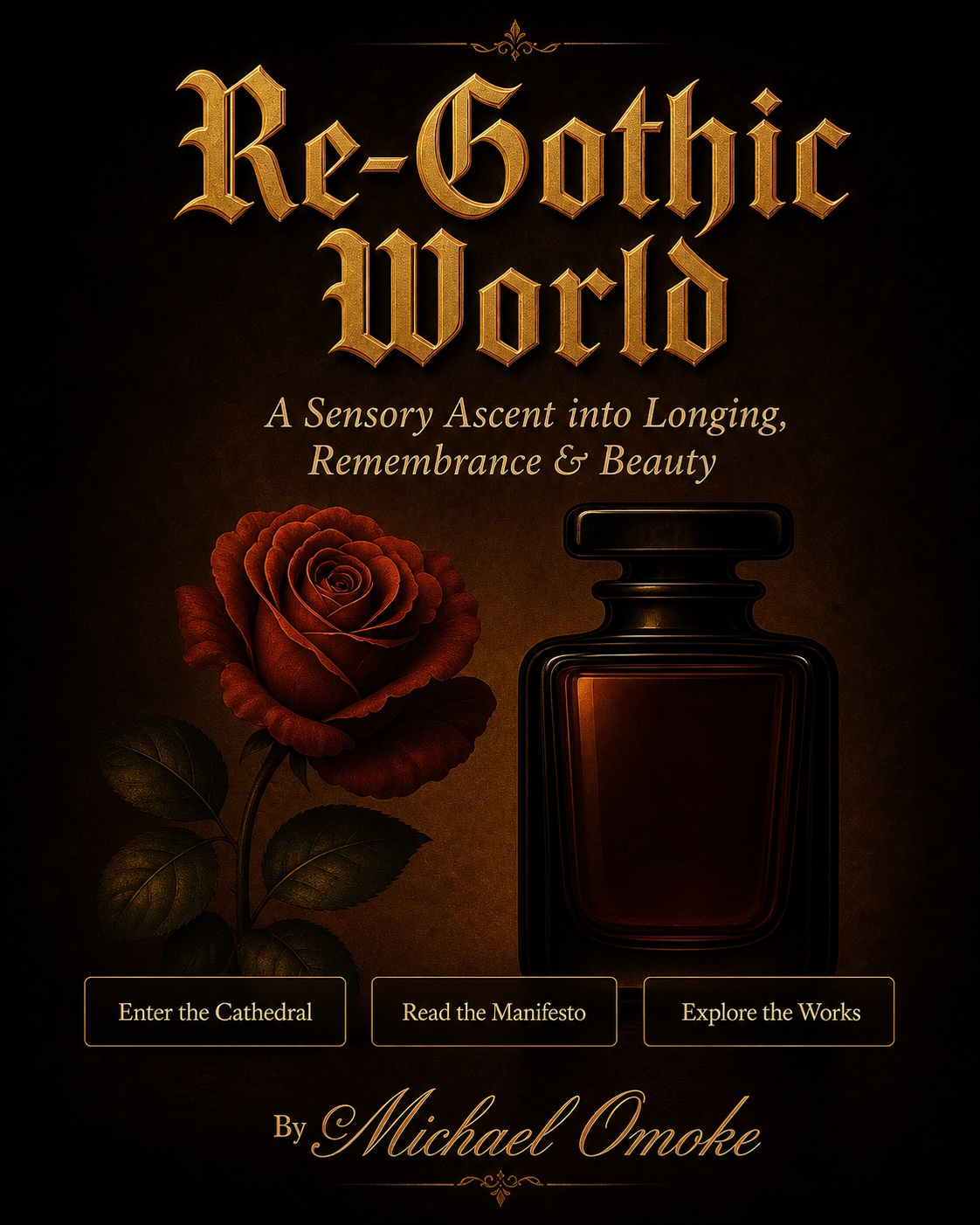
The “gap years” are explored in the forthcoming memoir-poem Post-Gothic Perfume.
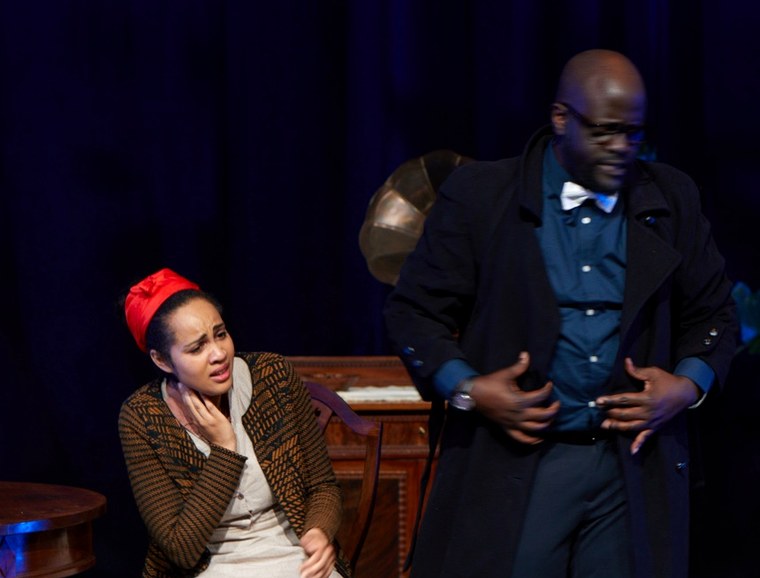
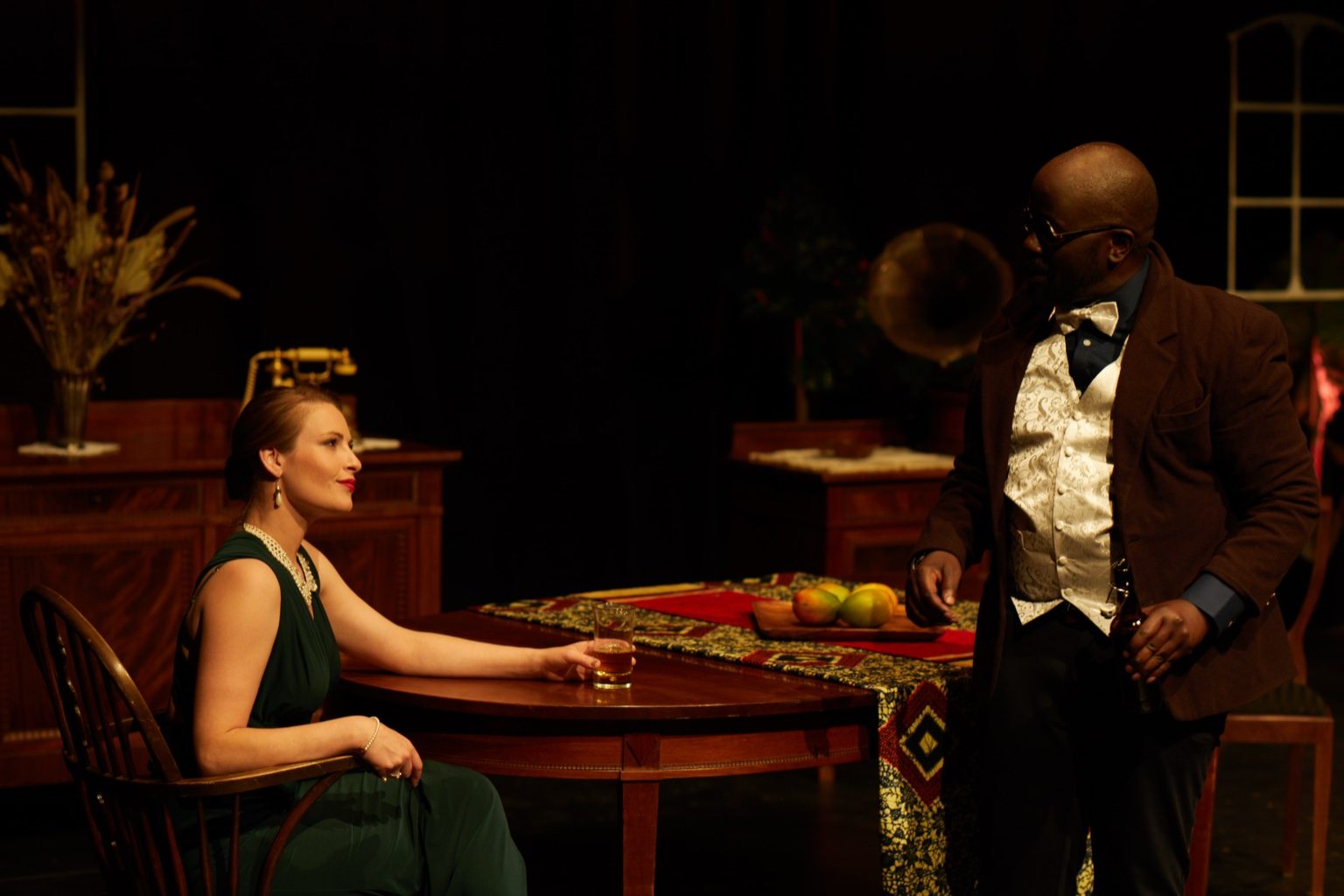
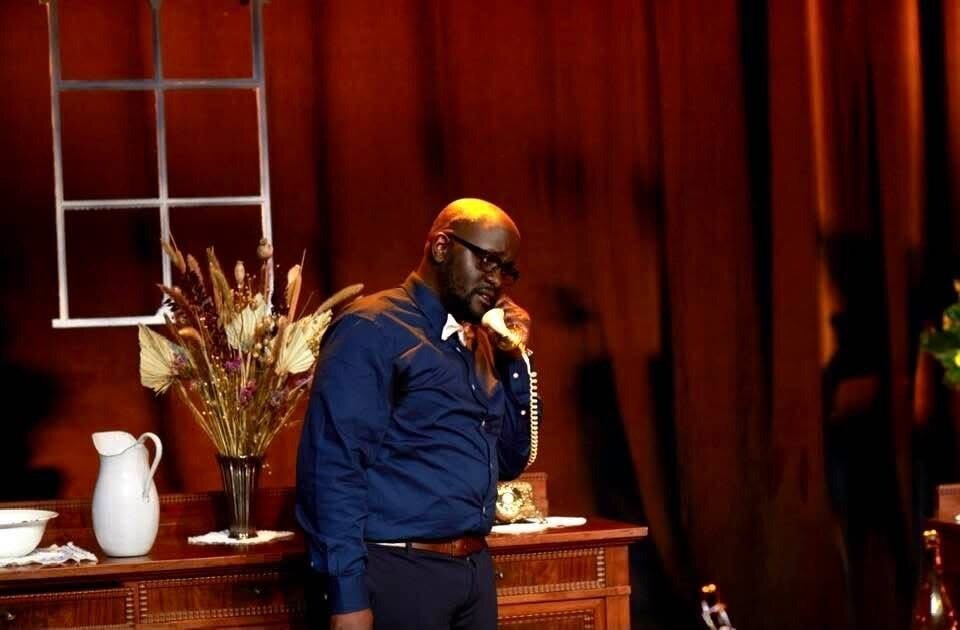
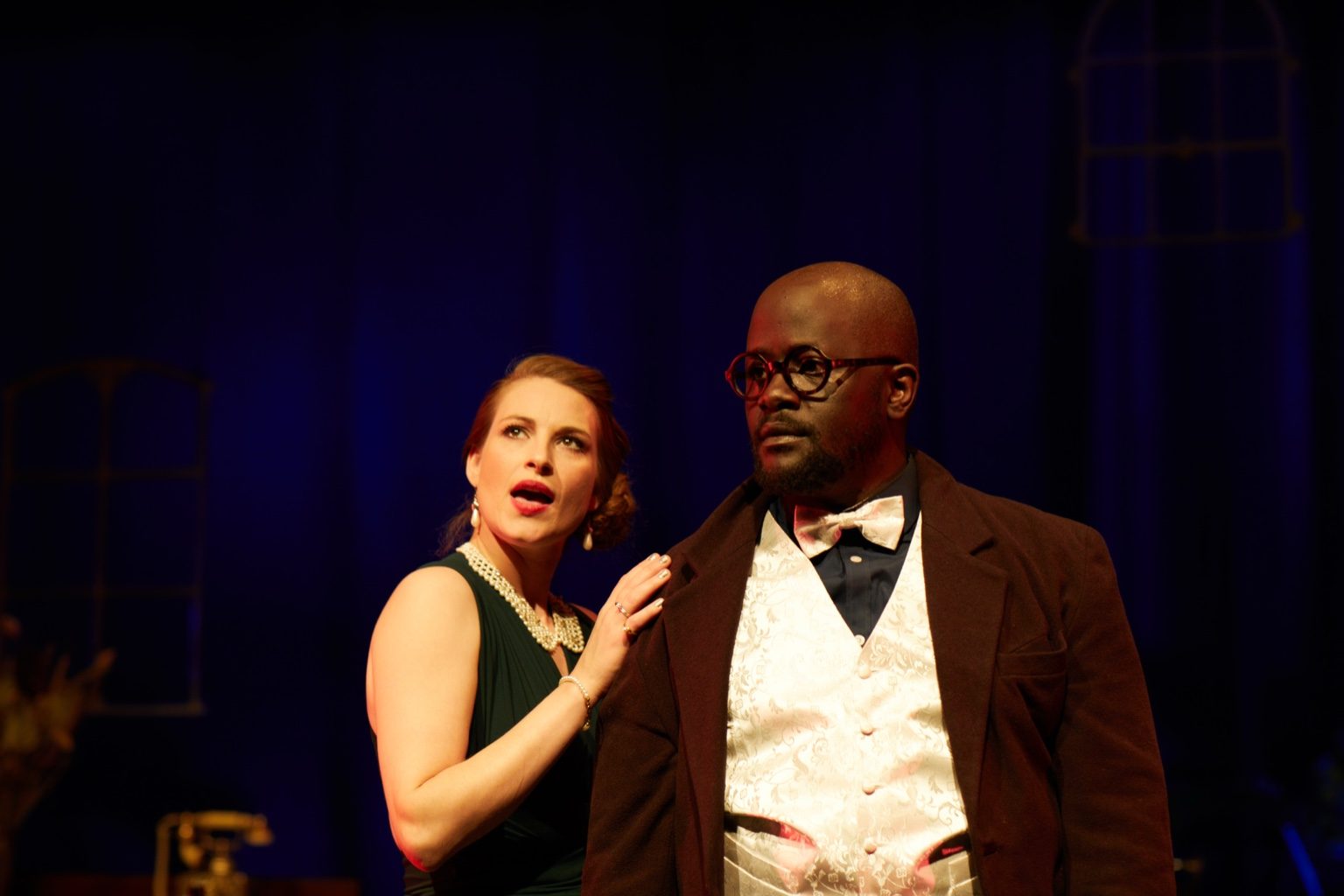
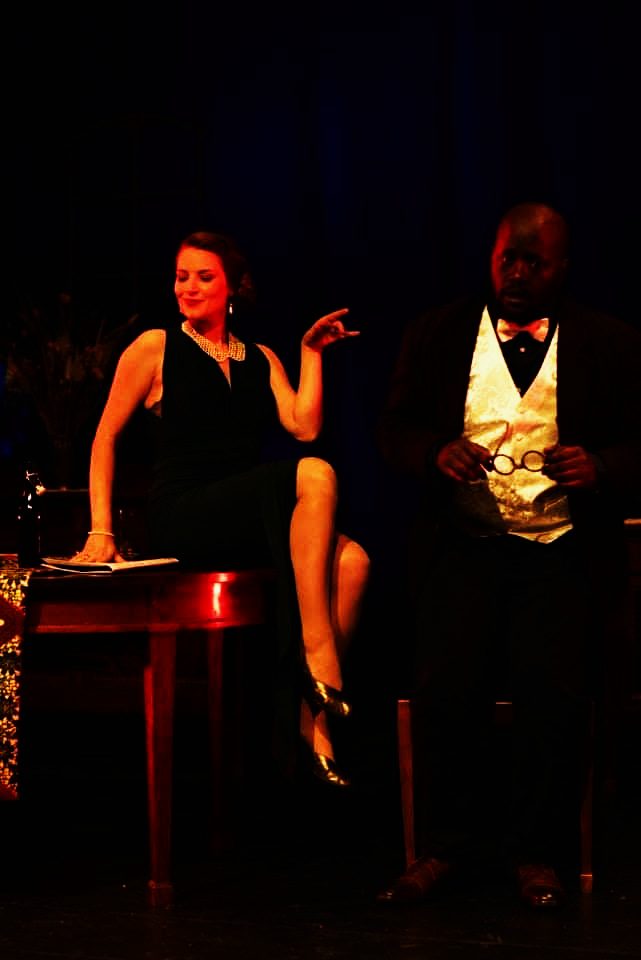
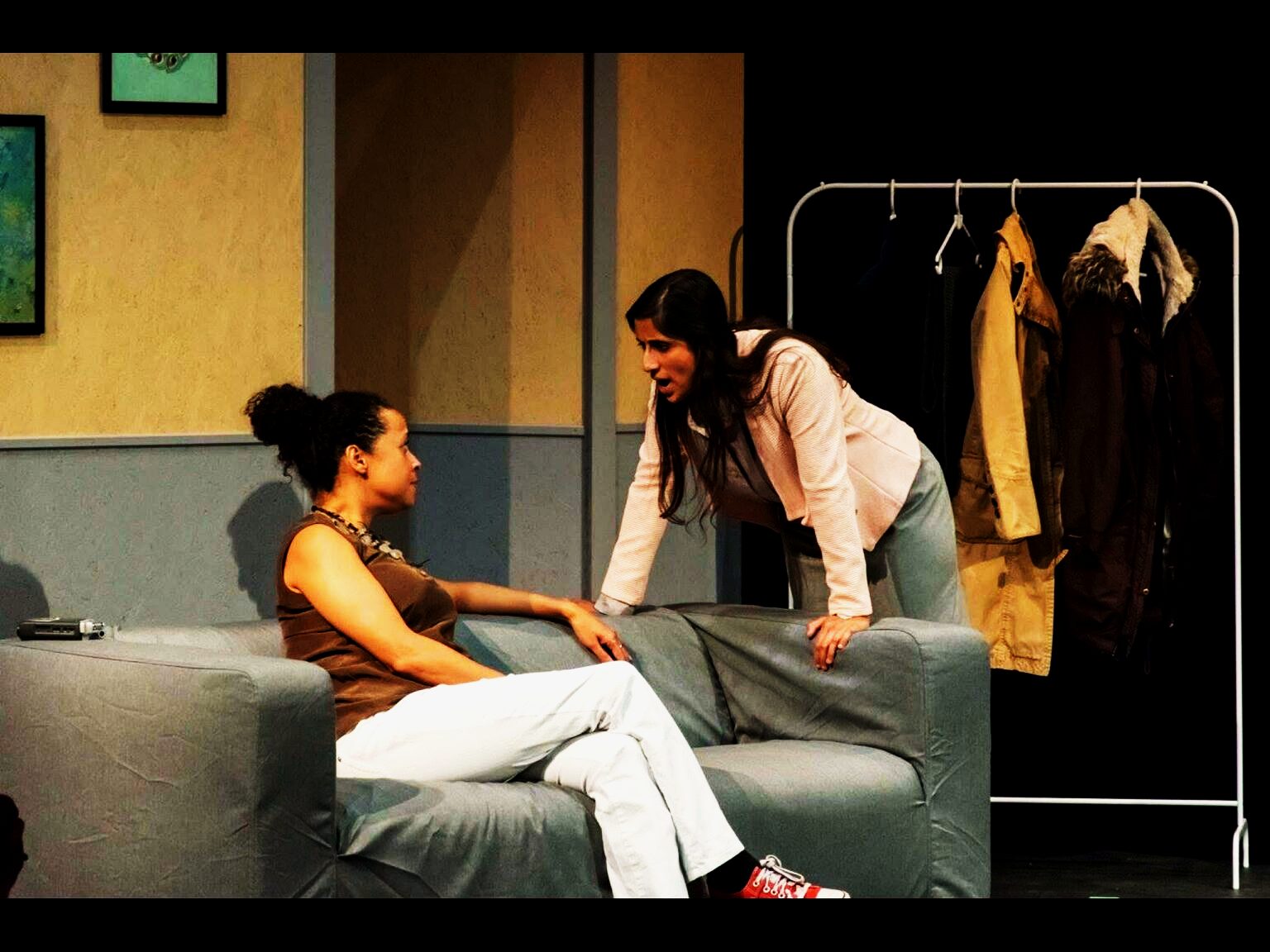
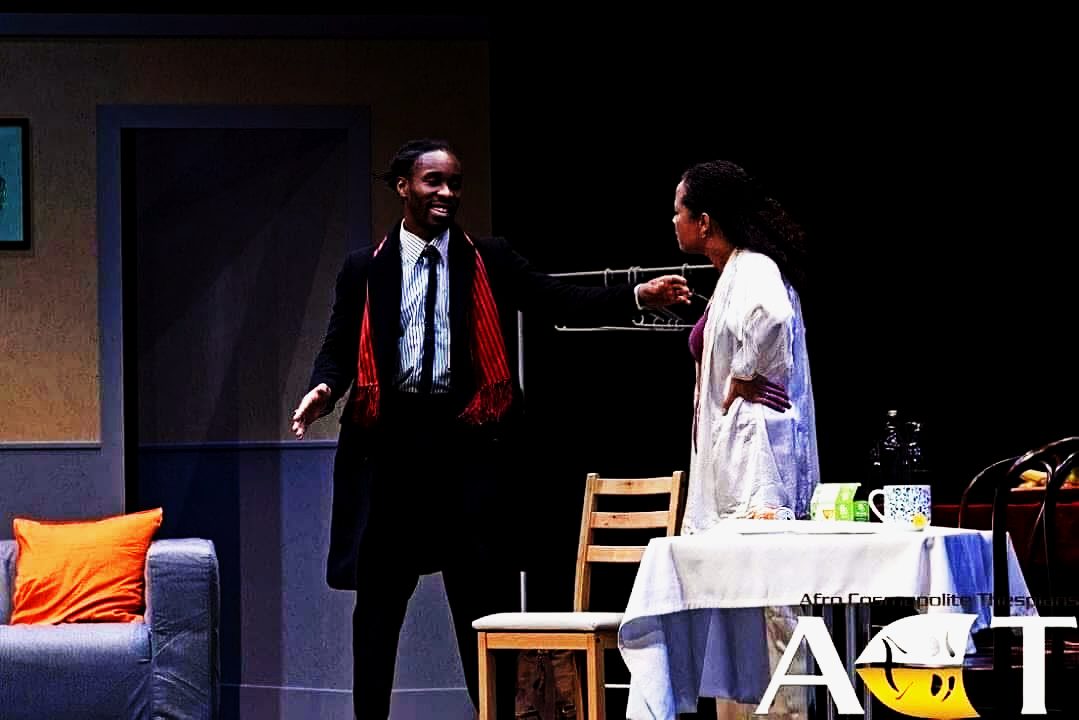
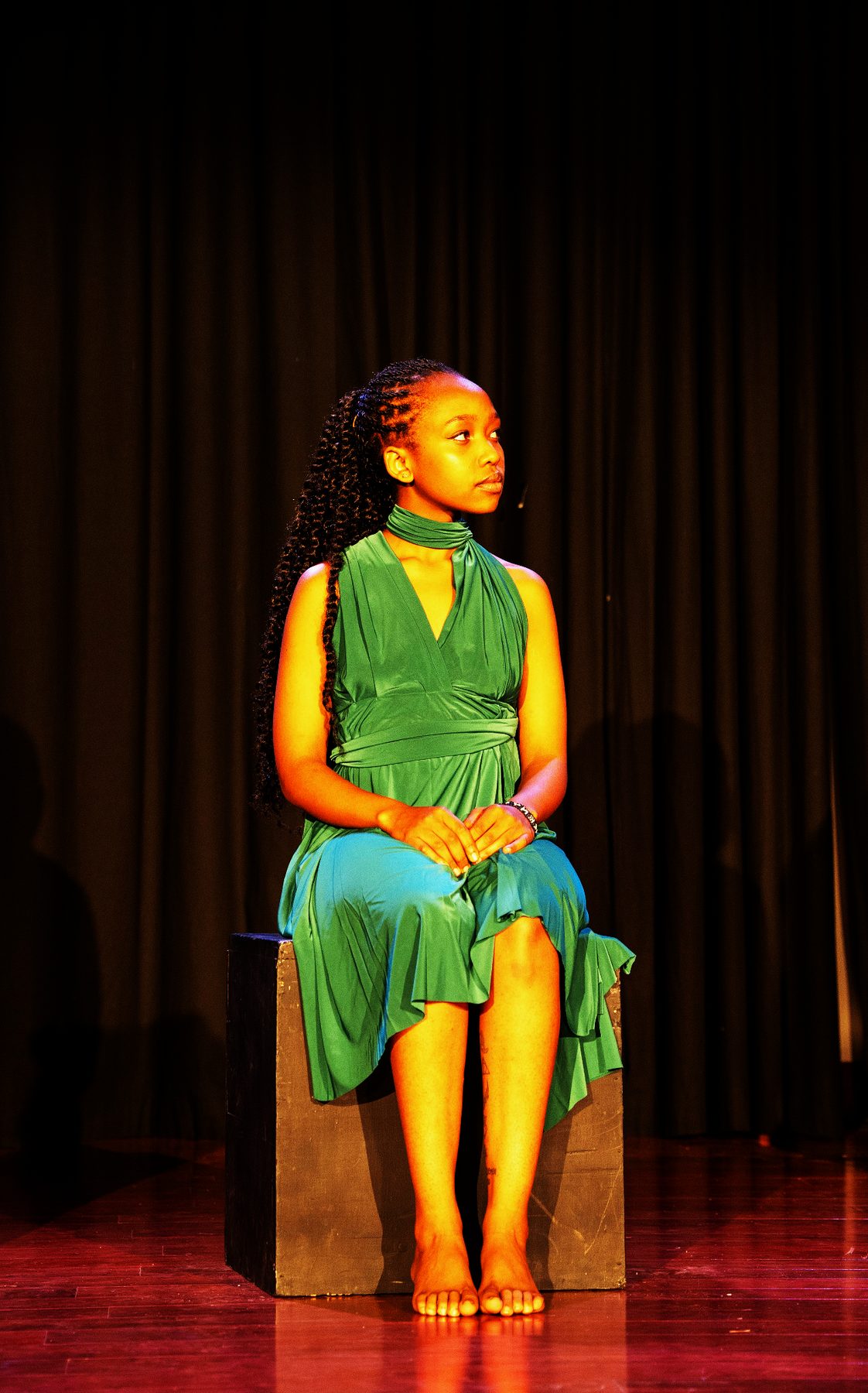
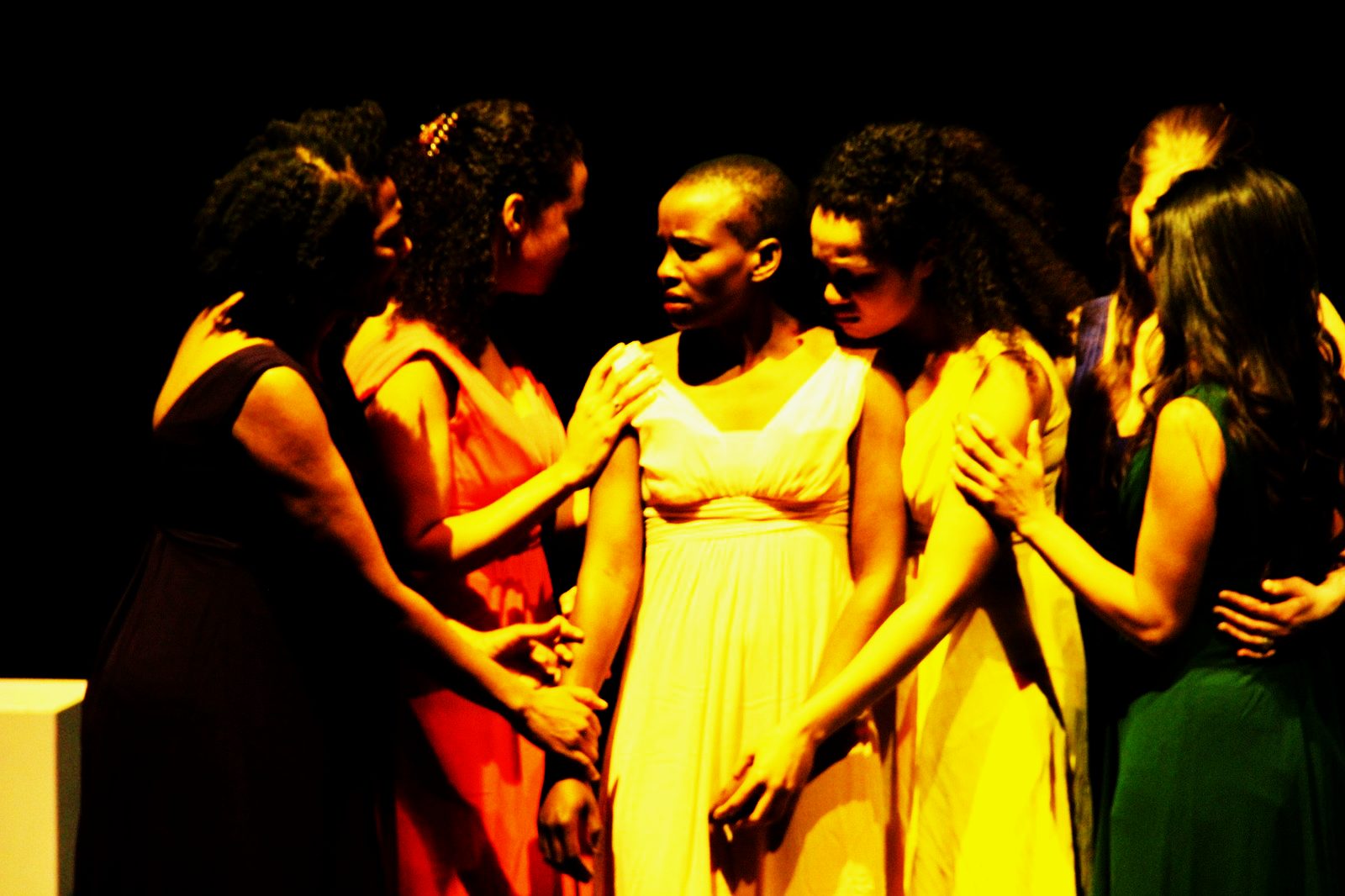
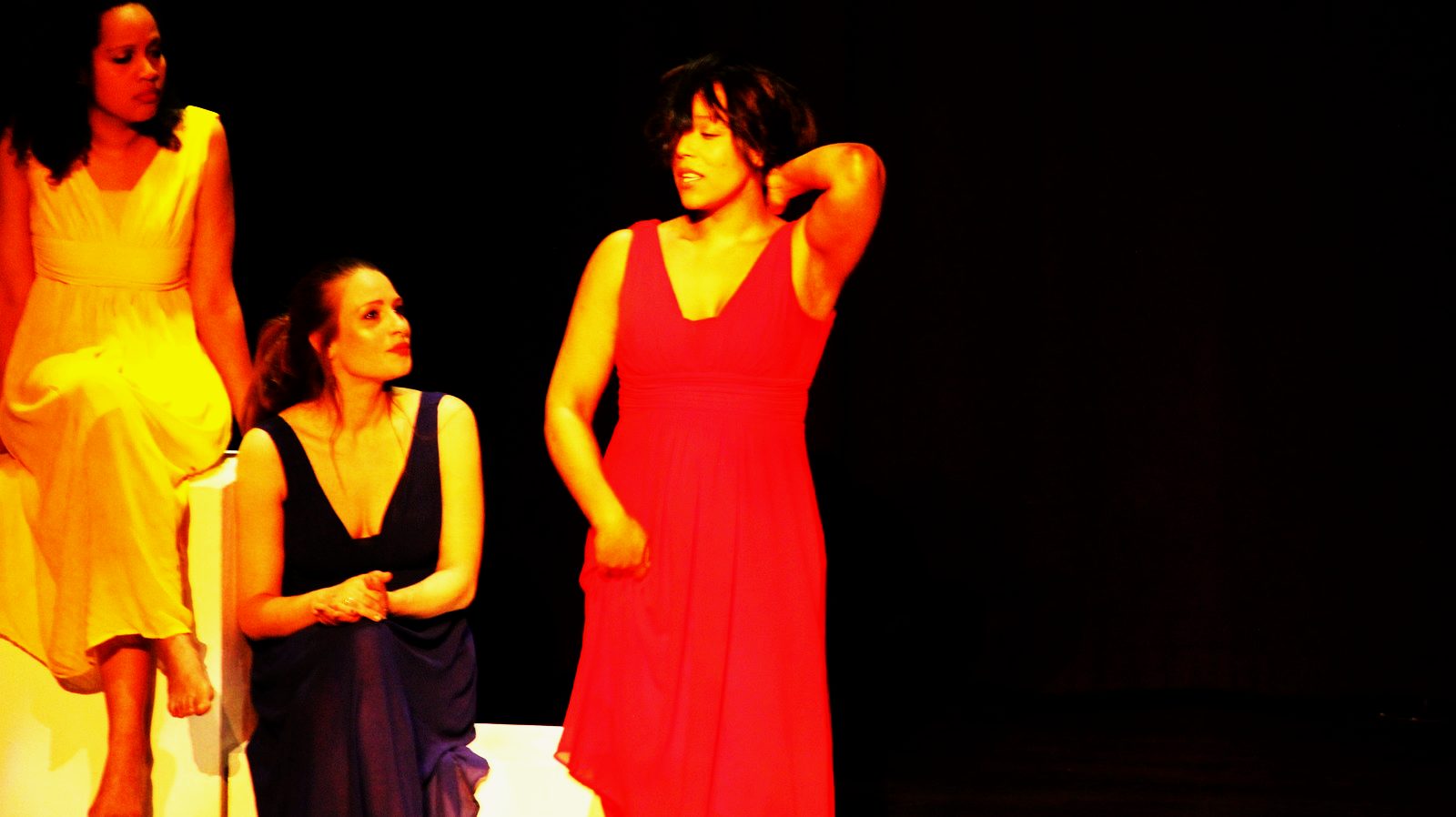
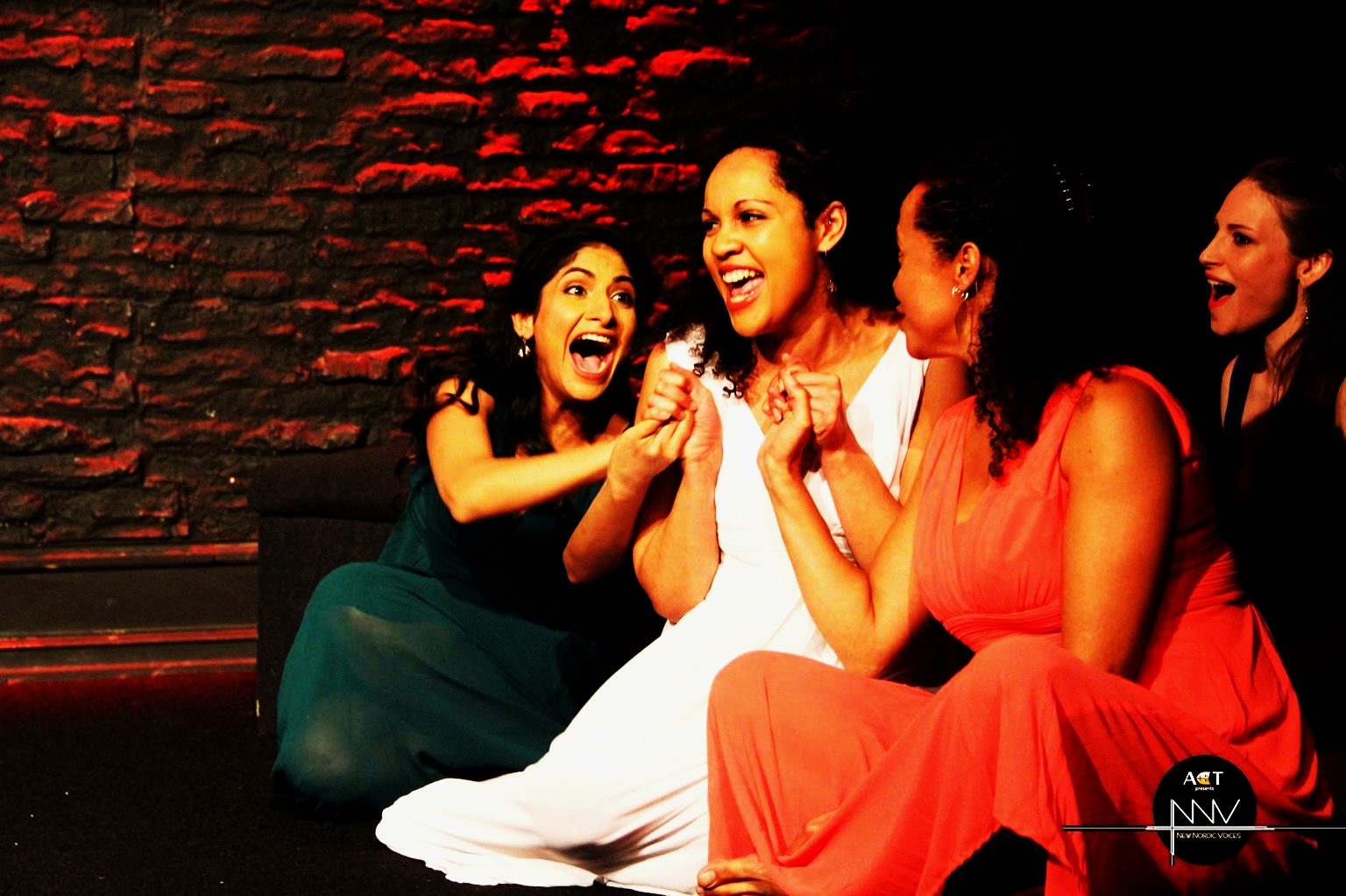
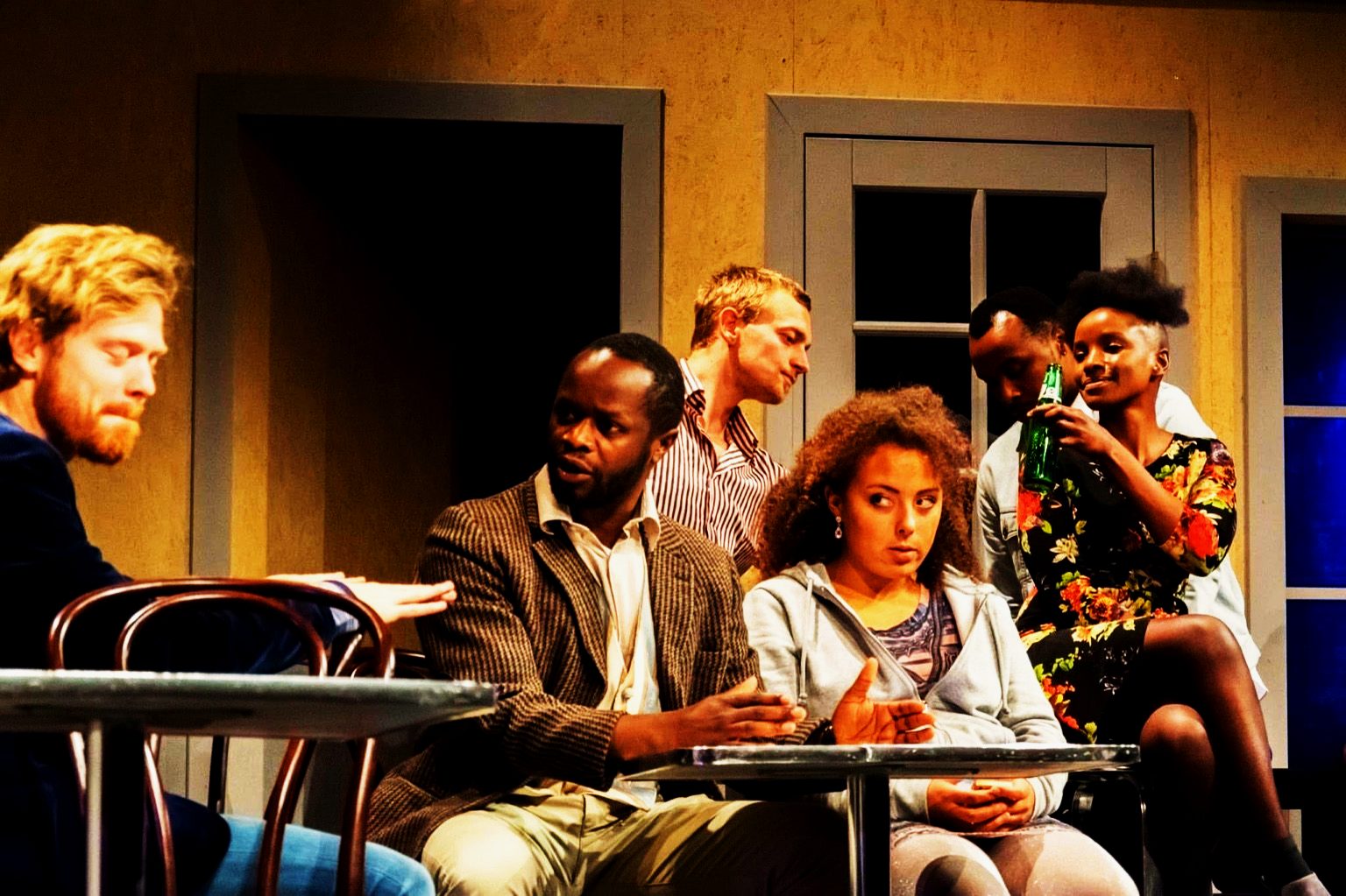
Actor stills
A restrained salon of selected stage fragments, not an exhaustive proof wall.
Selected images remain here as doors into larger production dossiers.
Each still is a doorway into a larger production record. FOLLOW THE STILL to enter the New Nordic Voices dossier.